New
Iceland Golden Circle Volcanic Landscapes
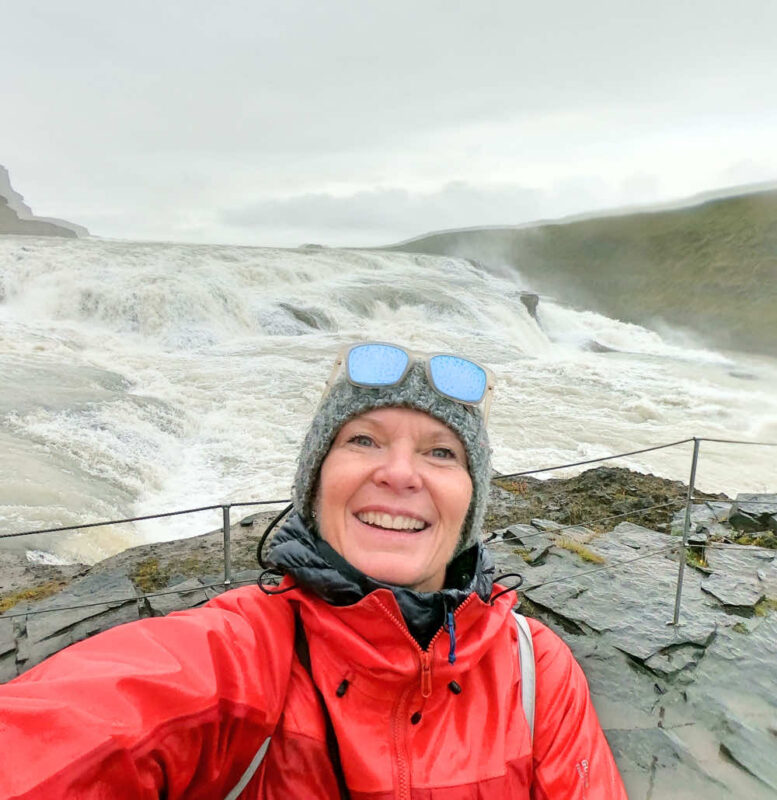
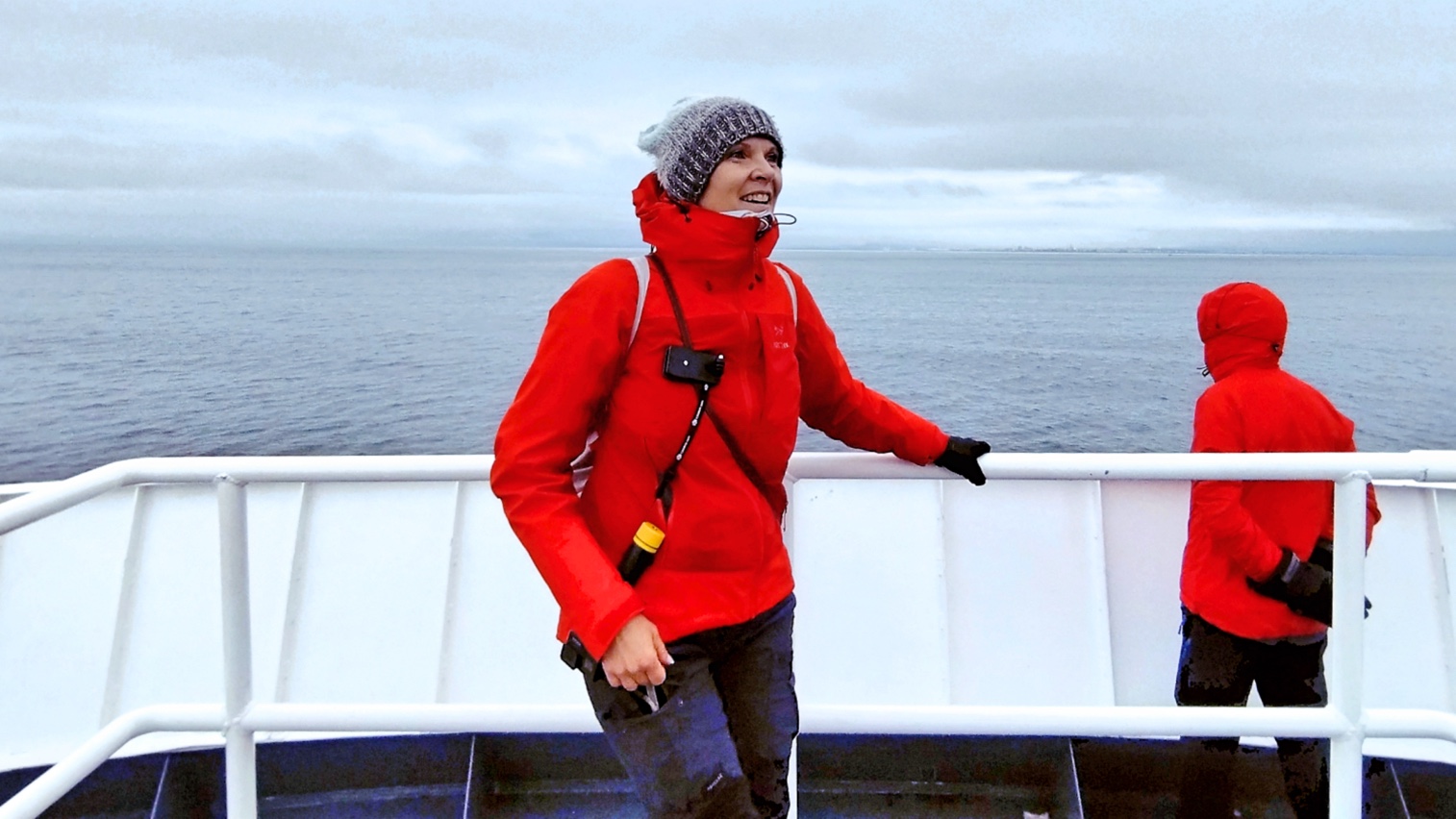
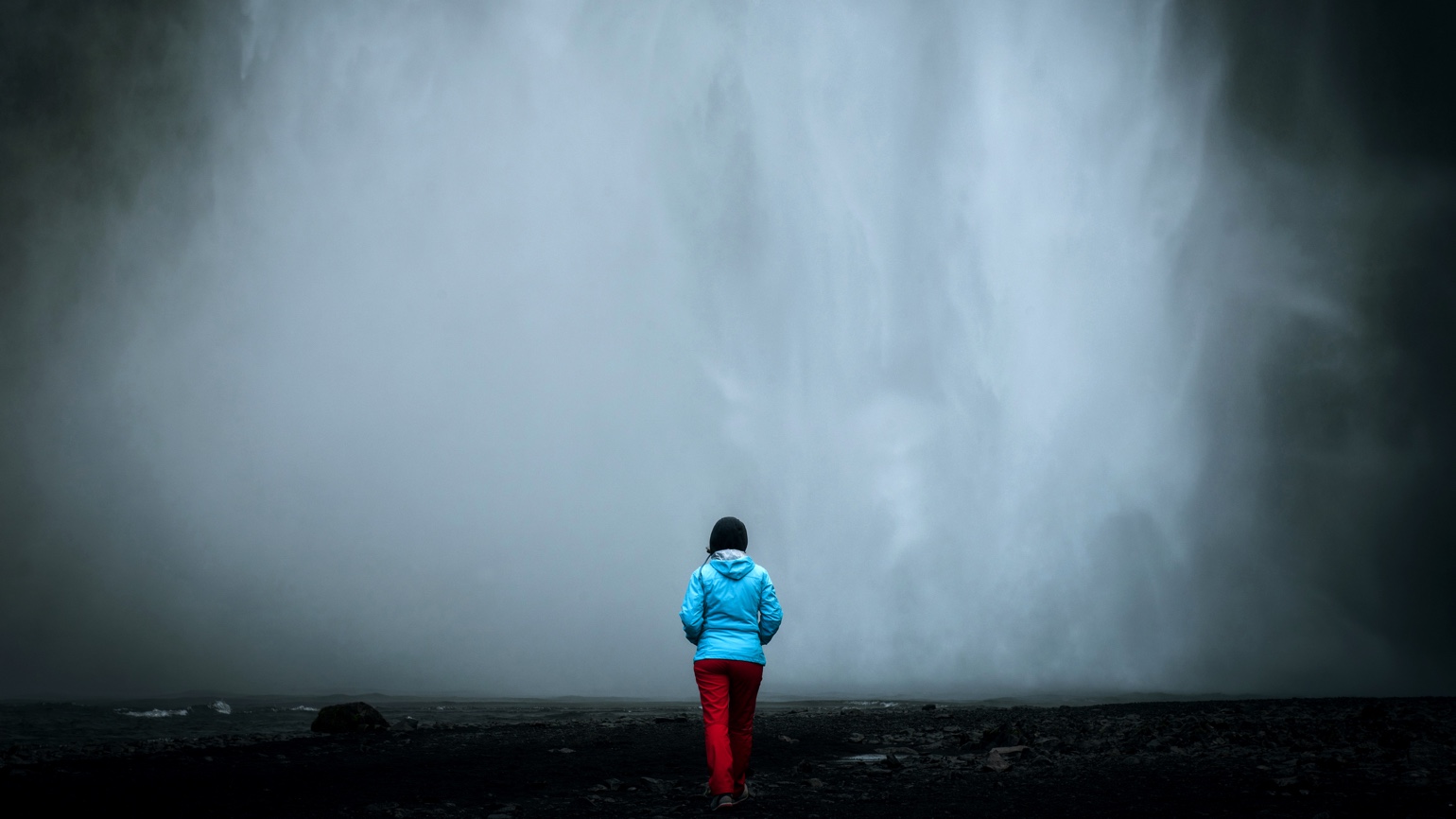
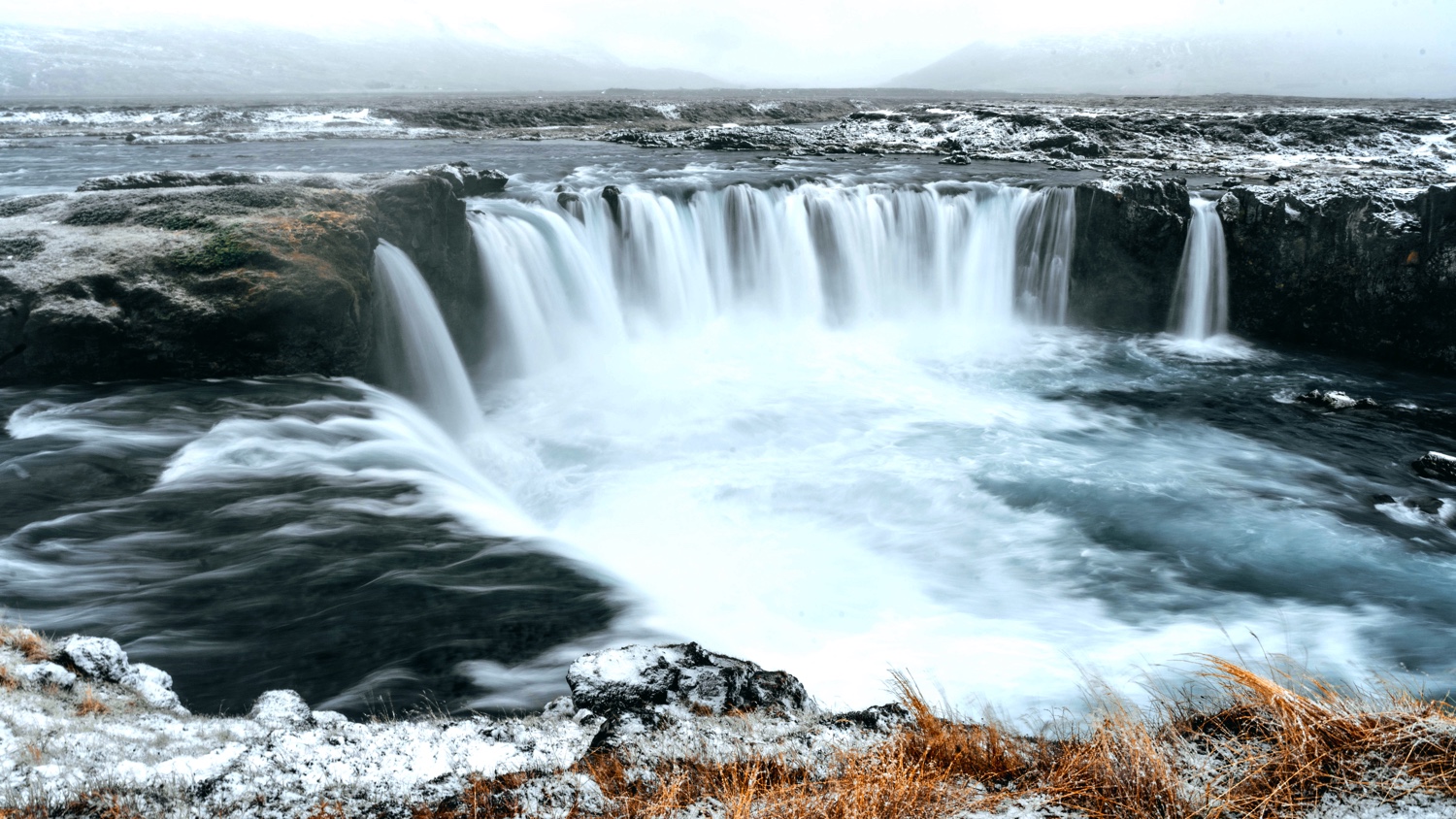
Packing for Iceland isn’t like packing for most destinations. Winter (November to March) brings snow, ice, and limited daylight. Temperatures often hover around freezing, but strong winds can make conditions feel severe. Because the country’s climate, terrain, and rapidly changing weather demand thoughtful preparation, packing for winter travel in Iceland means prioritising insulation and safety. Let’s cover clothing, gear, and expert tips to travel Iceland comfortably and confidently.
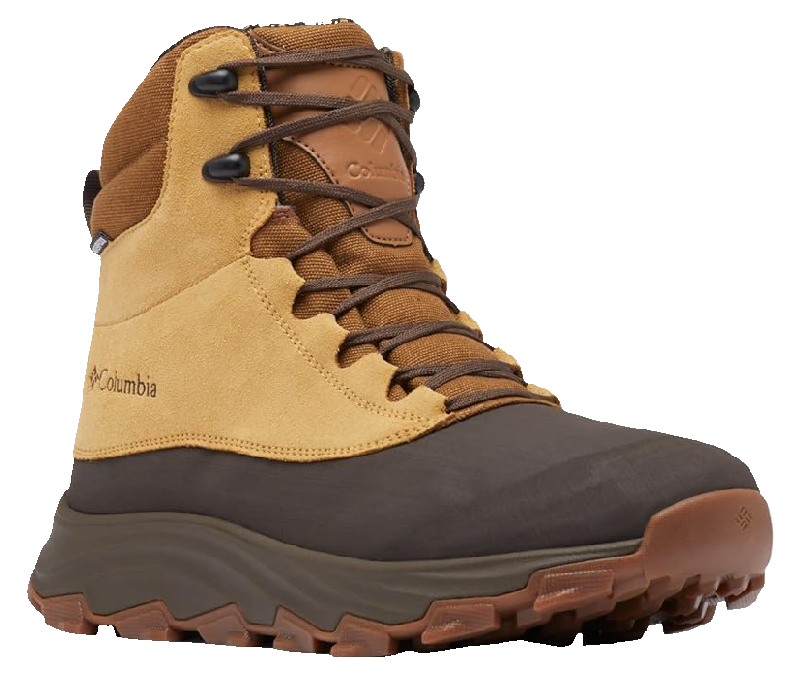
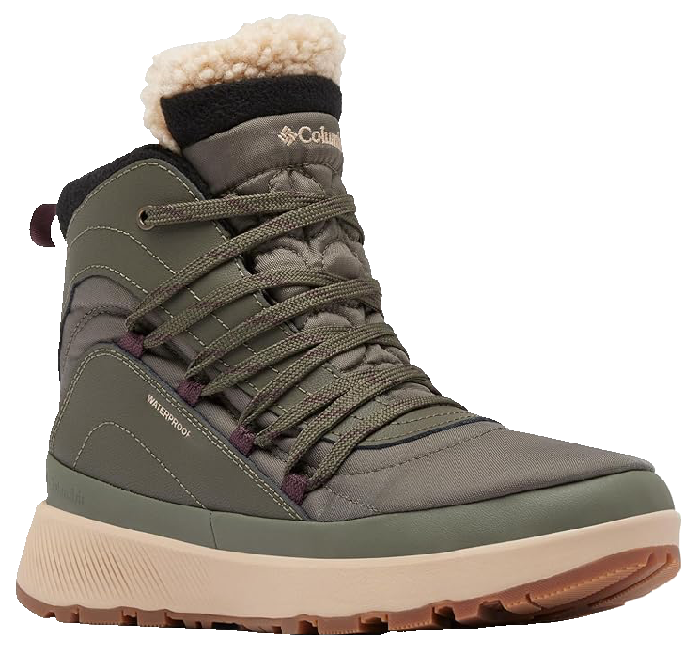
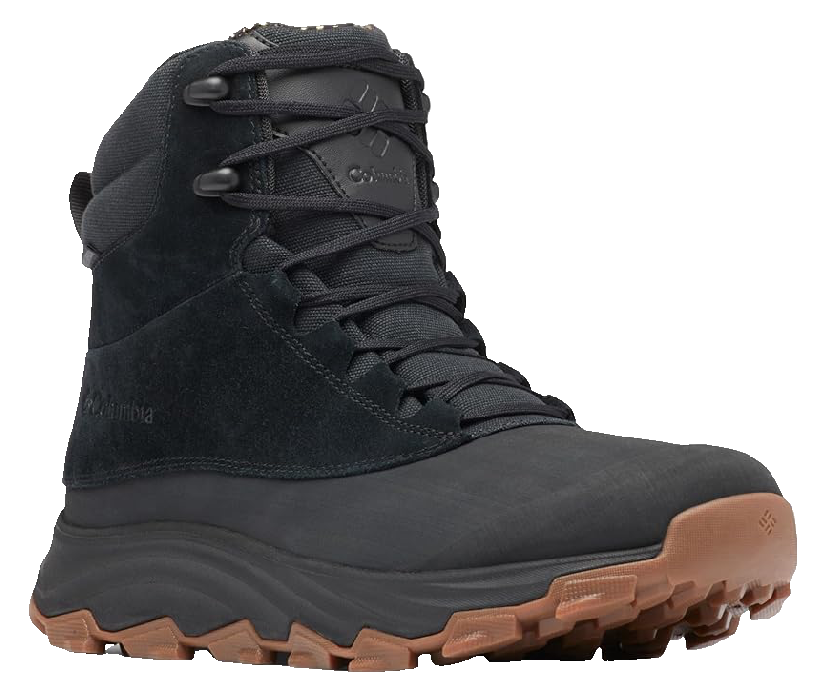
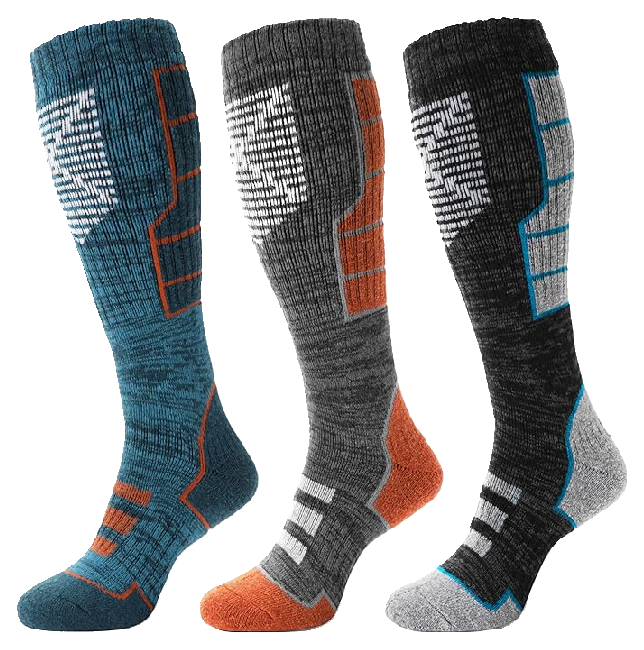
Keep your feet cosy in the icelantic winter
Soft and cosy winter style
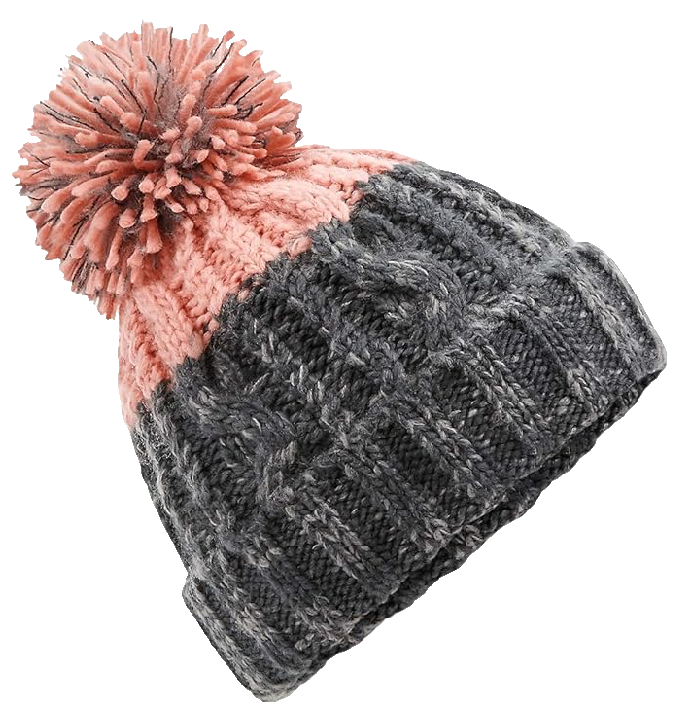
Winter Knit Hat
100% Soft-Spun Acrylic
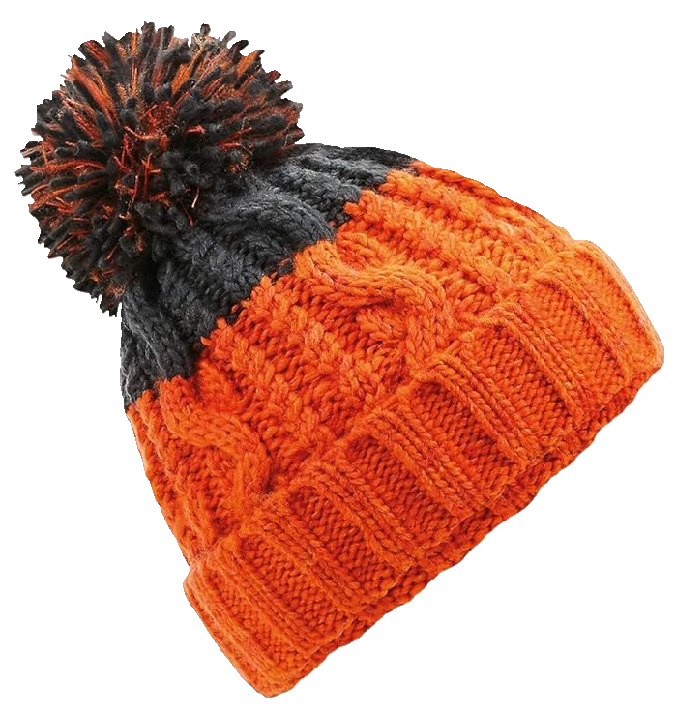
Winter Knit Hat
Multifilament Yarn
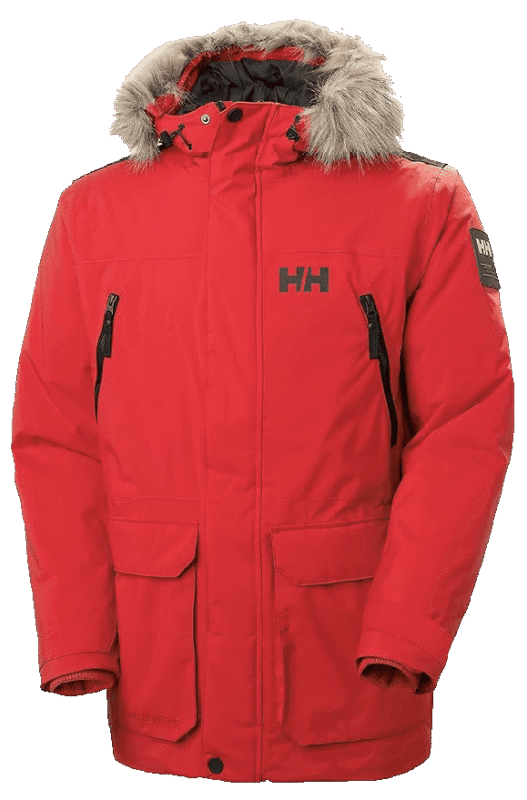
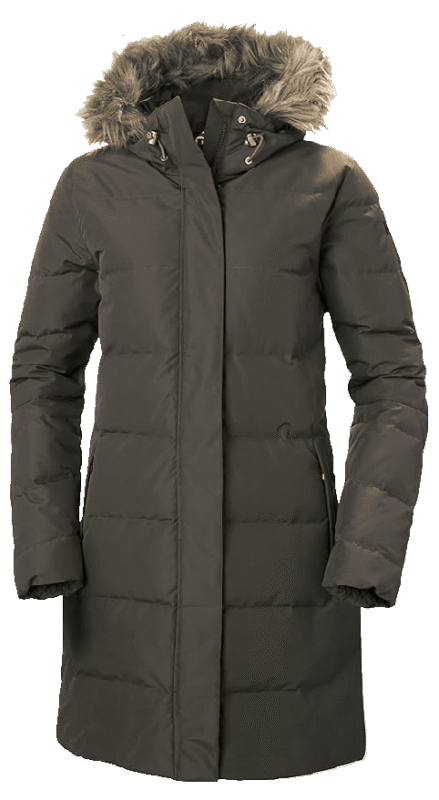
PARKAS TO STAY WARM AND DRY
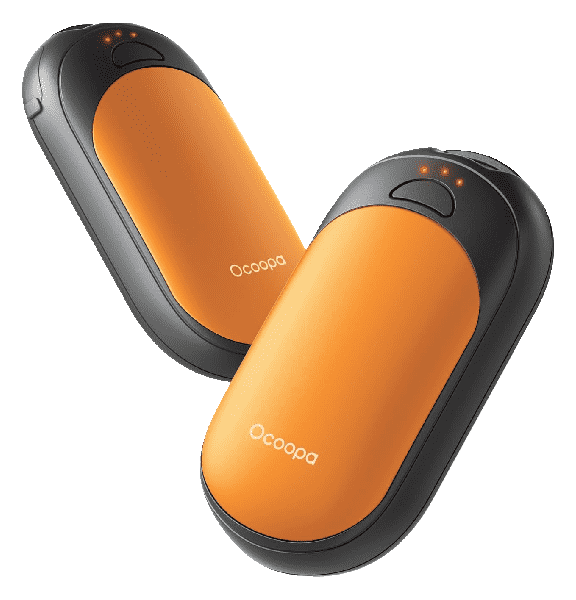
Magnetic Hand Warmers
These are Ultra Light and Ultra Thin hand warmers. Each hand warmer measures just 1.8cm when split, easily fitting into pockets and even slipping comfortably into gloves. USB-C Dual-Charge Cable. Instant Heat, Lasting Warmth!
Get NOw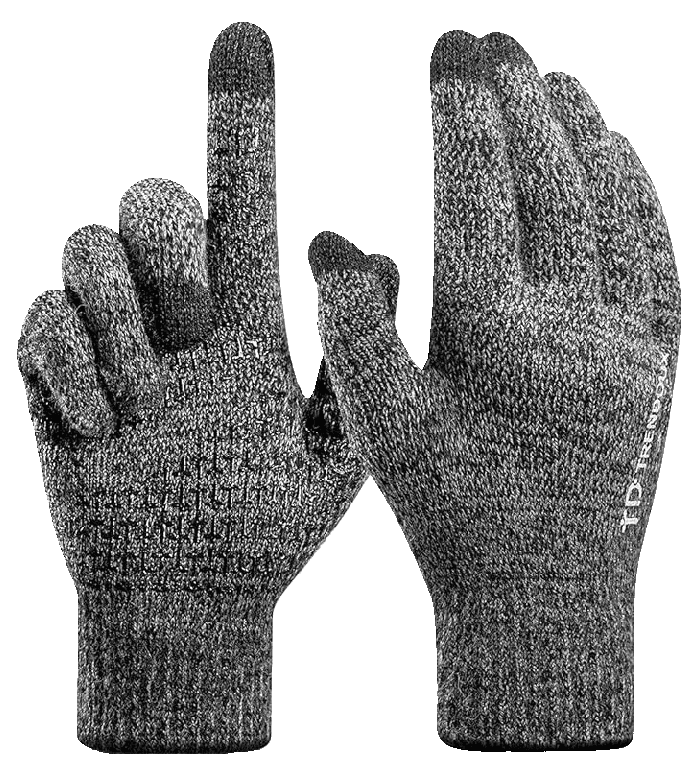
Thermal Gloves
Soft Warm
Touch Screen
For us
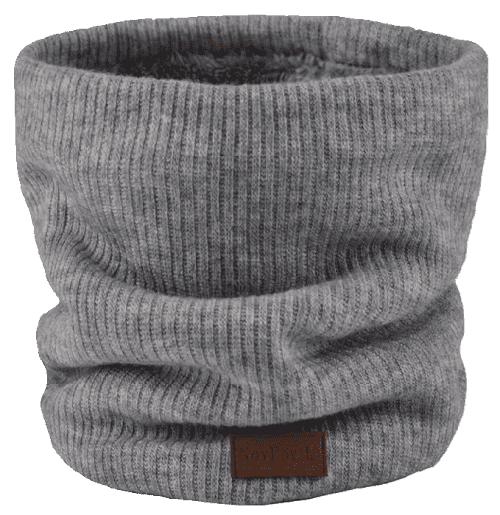
Winter Neck Warmer
Fleece Lined Scarf
Windproof
For Him
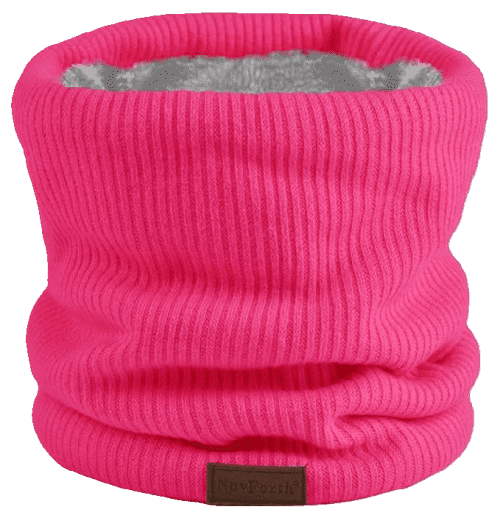
Winter Neck Warmer
Fleece Lined Scarf
Windproof
For Her
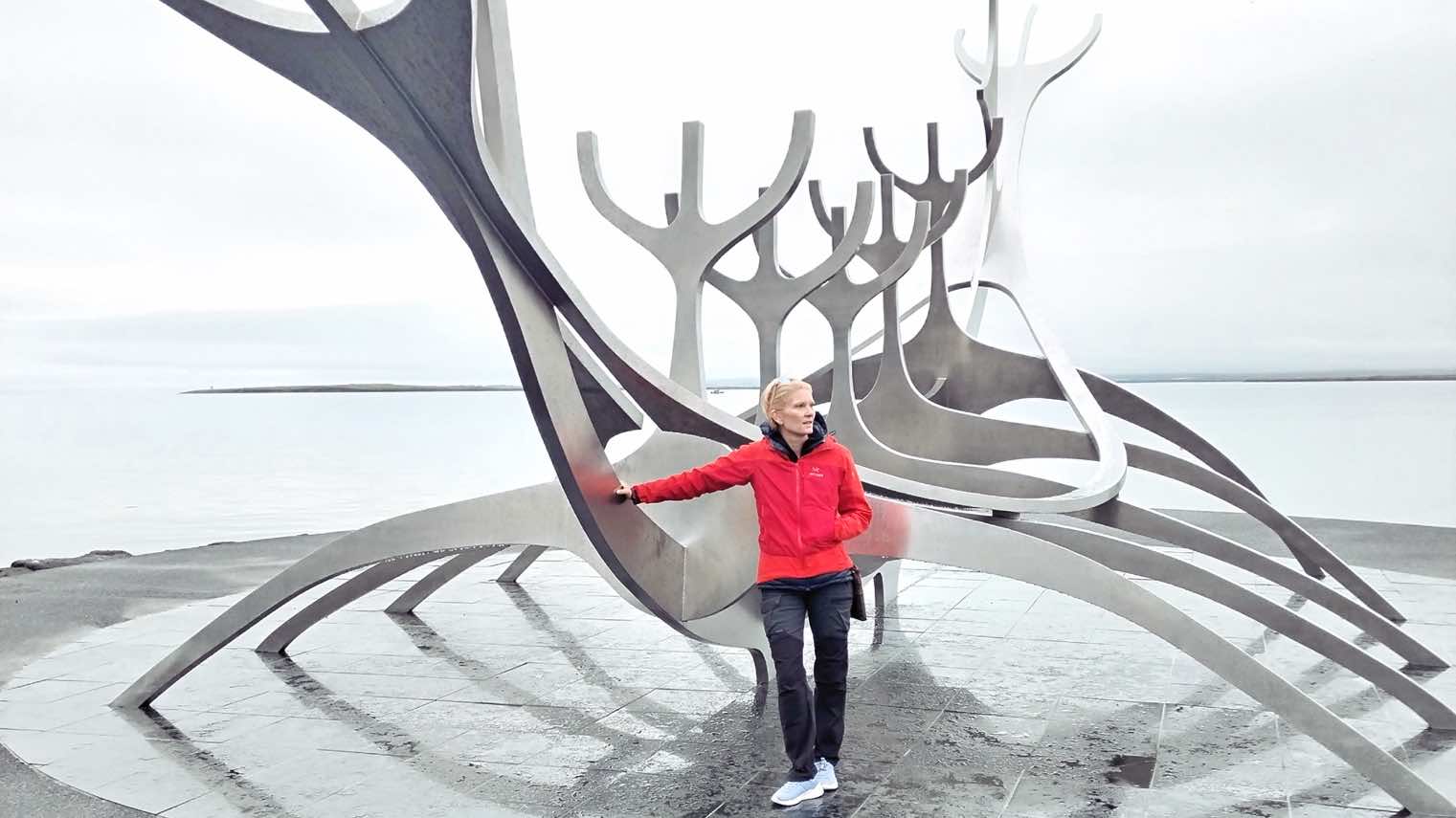
The Icelandic Shops
Iceland has excellent outdoor stores, but items are expensive compared to other countries. For example, a decent waterproof jacket may cost significantly more than in the UK or Europe. Stock availability can also vary, especially in remote areas. I would highly advisable to bring essential items like waterproof jackets, thermal layers, and hiking boots from home. Optional items such as binoculars, dry bags, or daypacks can be purchased locally if you spend time in Reykjavik.
Head to amazing fire and ice landscapes!
FAQ
What is the most essential item to pack for Iceland?
The single most essential item for any trip to Iceland is a high-quality, waterproof, and windproof jacket. Iceland’s weather is notoriously unpredictable; even in summer, strong winds and sudden rain showers are common.
Look for jackets made from breathable fabrics with sealed seams to prevent water seepage, and consider one with a hood and adjustable cuffs for added protection.
Pairing this with waterproof trousers ensures you stay dry and comfortable during hikes, waterfall visits, or even city sightseeing. Investing in good outerwear at home is much cheaper than purchasing last-minute gear in Iceland, where outdoor clothing can be significantly more expensive.
How can I pack sustainably for Iceland?
Iceland places high importance on environmental responsibility. Consider:
-
Reusable water bottles to avoid buying bottled water.
-
Eco-friendly toiletries and sunscreens to prevent contamination of natural hot springs.
- Avoid plastic bags to pack small toileteries, prefer waterprrof bags. They come in diffrent sizes and colours and are a great alternative to those zip off plastic bags that end up in Nature.
What kind of clothing should I pack for Iceland in different seasons?
Iceland’s clothing needs vary drastically depending on the season:
-
Summer (June–August): Average temperatures are 10–15°C, but the wind can make it feel colder. Pack light thermal base layers, a fleece or insulated jacket, waterproof outer layers, and sturdy shoes. Even in summer, gloves and a hat may be needed.
-
Winter (November–March): Expect temperatures near or below freezing. Heavy insulation is required: thermal base layers, wool jumpers, down jackets, gloves, scarves, hats, and waterproof boots with good grip. Layering is crucial for outdoor activities.
-
Shoulder Seasons (April–May, September–October): Weather is highly unpredictable. Prepare for a mix of rain, snow, and sunshine with versatile layers, waterproof gear, and adaptable footwear.
MY Pro Tip: Layering is the key to comfort. Instead of packing many thick items, pack three-layer combinations (base, mid, outer) for flexibility and warmth.
Are hiking boots necessary even if I’m only visiting Reykjavik?
While casual shoes may suffice in Reykjavik, hiking boots are strongly recommended for almost all excursions, even short trips outside the city. Iceland’s terrain is often uneven, with gravel paths, lava fields, and wet trails. Waterproof hiking boots with ankle support reduce the risk of slips and injuries. Even if your itinerary includes mostly sightseeing, many iconic locations require short hikes to viewpoints, waterfalls, or geothermal areas.
How much luggage should I bring?
For most travellers, a medium-sized suitcase (20–25 kg) plus a daypack is sufficient. Layered clothing allows you to pack less while staying prepared. If planning adventure tours or multiple excursions, ensure waterproof bags for sensitive items.
Most hotels and guesthouses also provide luggage storage. Consider minimal packing for day trips, keeping heavier gear at your base accommodation. This improves mobility and comfort during short excursions. Bear in mind that lightweight packing helps reduce transport emissions.

A Conscious Smile on the Road: Discovering Georganics for Mindful Travellers
Your Georganics toothbrush is carved from smooth beechwood, sourced from responsibly managed forests. It feels [...]
10
Mar
Mar
Climbing Kilimanjaro Gear Guide: The Essential Packing Strategy for High Altitude Success
Preparing for climbing Kilimanjaro requires determination but success depends on a well-planned gear strategy built [...]
15
Feb
Feb
Why Mount Kenya Is the Perfect First High-Altitude Climb?
Climbing Mount Kenya is like a deeply personal journey through green and remote landscapes. Everything [...]
26
Jan
Jan
Top Adventure E-Bikes : From City Streets to Forest Trails.
Unleash your inner explorer with these rugged, high-performance e-bikes built for riders who live for [...]
12
Dec
Dec

Raise Your Hydration Game With The Beyond Shakers For Everyday Performance
Take your training seriously with these insulated bottle and Beyond Shakers built for athletes. There're [...]
08
Dec
Dec
Best Trail Running Shoes: Salomon Speedcross Features
The Speedcross is crafted with a waterproof GORE-TEX® membrane to keep your feet dry in [...]
16
Nov
Nov
Why South America Is 2025’s Hottest Destination
South America is breaking travel records in 2025, with Colombia crowned Destination of the Year [...]
15
Aug
Aug