


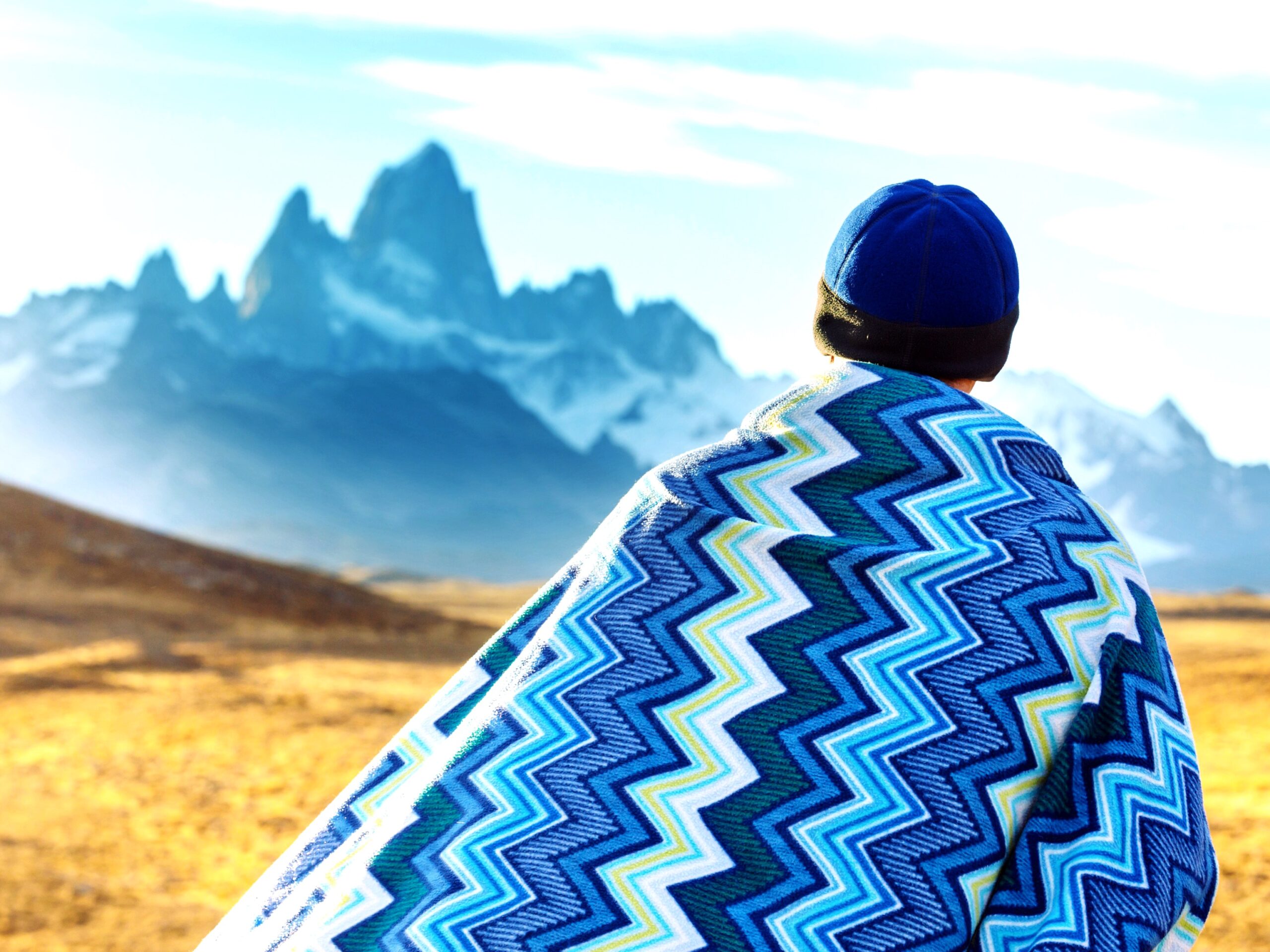


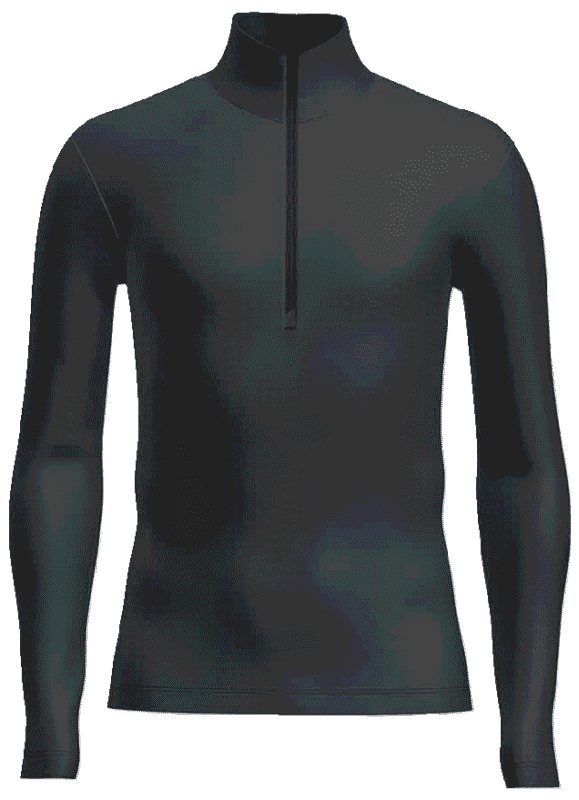
Despite its minimal silhouette, the Squamish Hoody is thoughtfully engineered for high performance. The mechanical stretch fabric offers excellent freedom of movement, and articulated elbows along with gusseted underarms make it especially comfortable during climbing or hiking.
GET NOW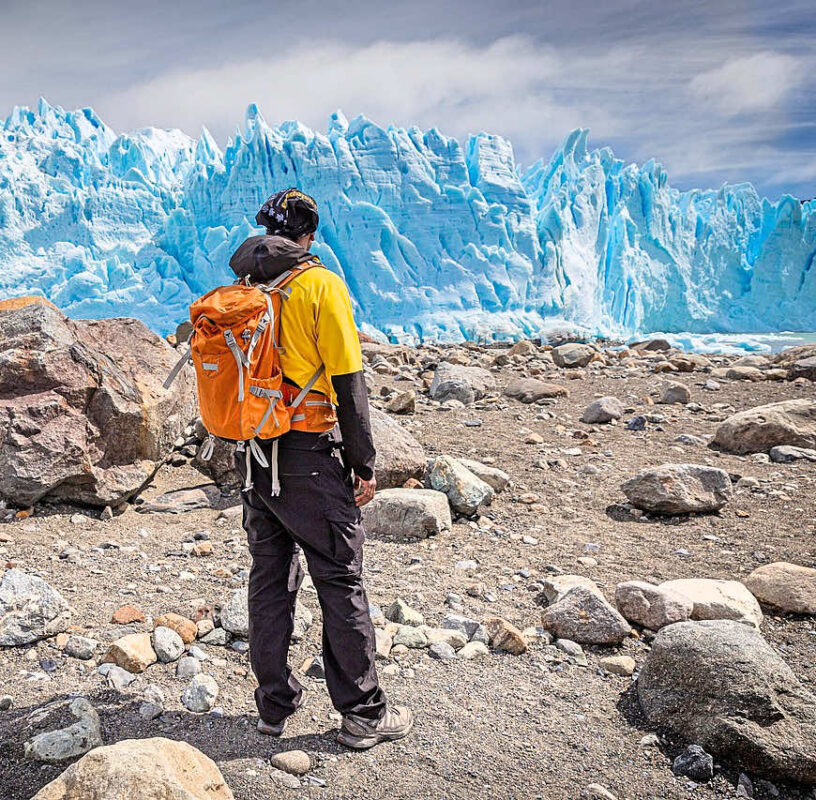
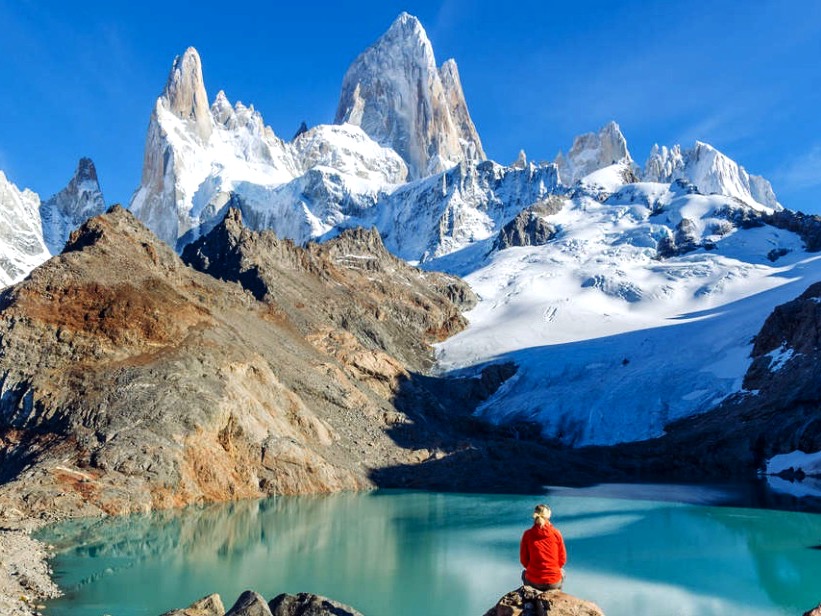
Argentina, a vast and diverse South American nation, is home to one of the world’s most awe-inspiring regions, Patagonia.
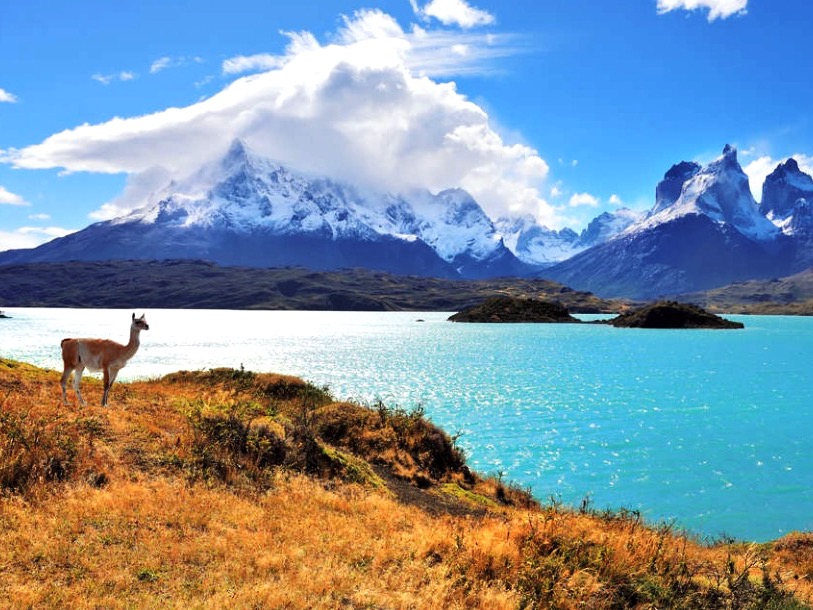
Nestled in the southern reaches of Argentina, Patagonia is a natural wonderland characterized by its dramatic landscapes, where rugged mountain ranges, pristine lakes, and colossal glaciers create a tapestry of breathtaking beauty.
This enchanting location offers a playground for outdoor enthusiasts, inviting travelers to explore its untamed wilderness, witness the splendor of towering peaks, and marvel at the sheer magnificence of Patagonia’s natural wonders.
You’ll be walking 6–10 hours per day for multiple consecutive days, often with sustained elevation gain.
You should be able to:
Hike continuously for 5–7 hours with short breaks
Climb 600–900 meters of elevation gain in a single day
Maintain a steady pace on uneven terrain
Recover overnight and repeat the effort the next day
Benchmark test:
If you can hike 15–20 km in one day with elevation gain while carrying a daypack (5–8 kg) and still feel functional the next morning, you’re on the right track.
Torres del Paine trails include:
Long ascents on loose rock
Steep descents that strain knees
Constant uneven terrain
You should comfortably handle:
800–1,200 meter ascent/descent days
Repeated downhill walking without knee pain
Continuous movement for hours without muscle fatigue collapse
Weak quads and glutes are the #1 reason people struggle.
You must be logged in to post a review.



Reviews
There are no reviews yet.