
Paro Festival of Bhutan
Experience Bhutan’s colourful and traditional festivals and climb up to the iconic Tiger’s Nest Monastery, perched high on the cliff side. Fly to Paro, beautifully set amidst the wooded valleys of Western Bhutan to share the celebrations at the annual Paro Festival. It’s a spectacular sight that you’ll share with the locals and the crowds of thousands each year.
PACK LIGHT FOR THE DAY
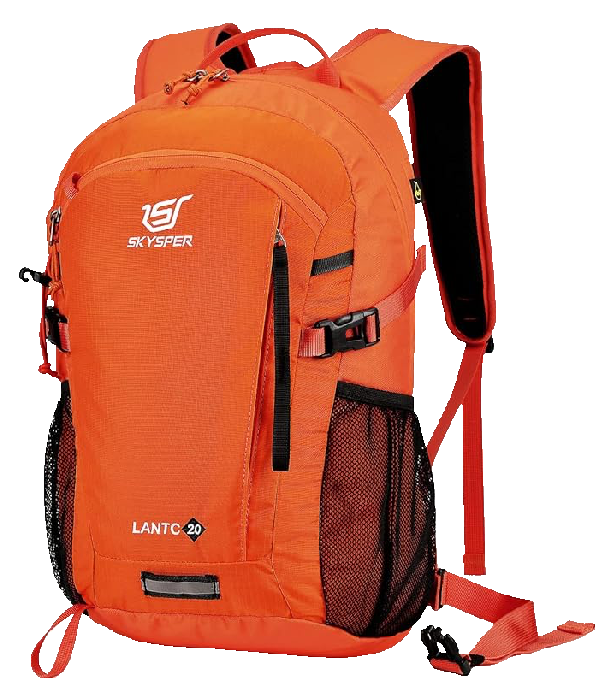
Lightweight Travel Backpack
20L/30L
Comfortable shoulder straps, impermeable, tear resistant, wear-resistant
GREAT VALUE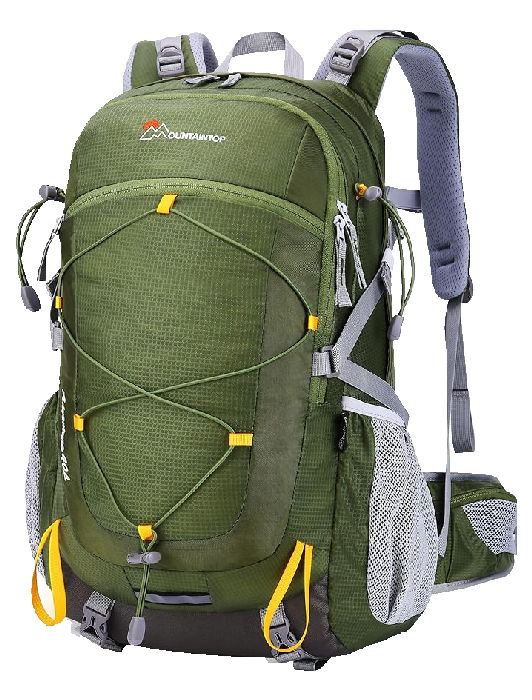
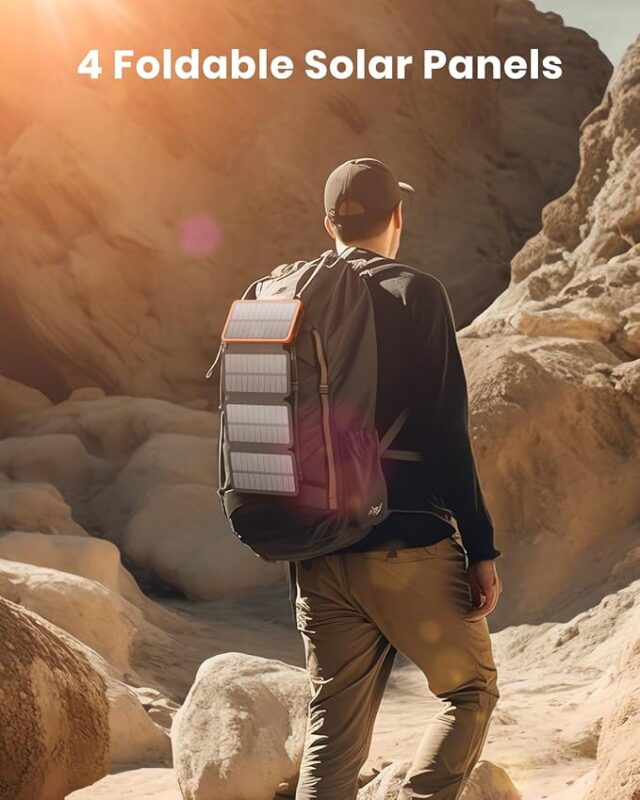
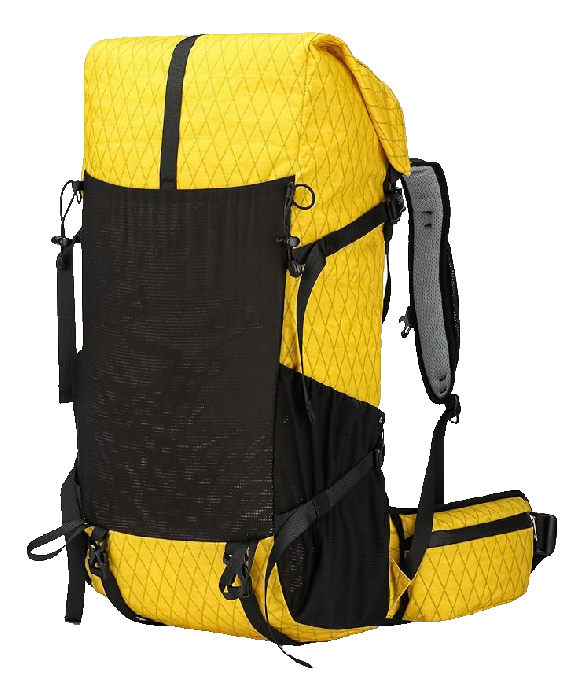
Rollingtop
Backpack
40L
Unique design, expand to 50L, breathable back, generous compartment, multiple pockets.
Thermal underwear

Full Length Pant
52% Cotton, 48% Polyester
Geat insulation and warmth, Moisture wicking, reinforced flat seam

Recycled Waffle
Crew Top
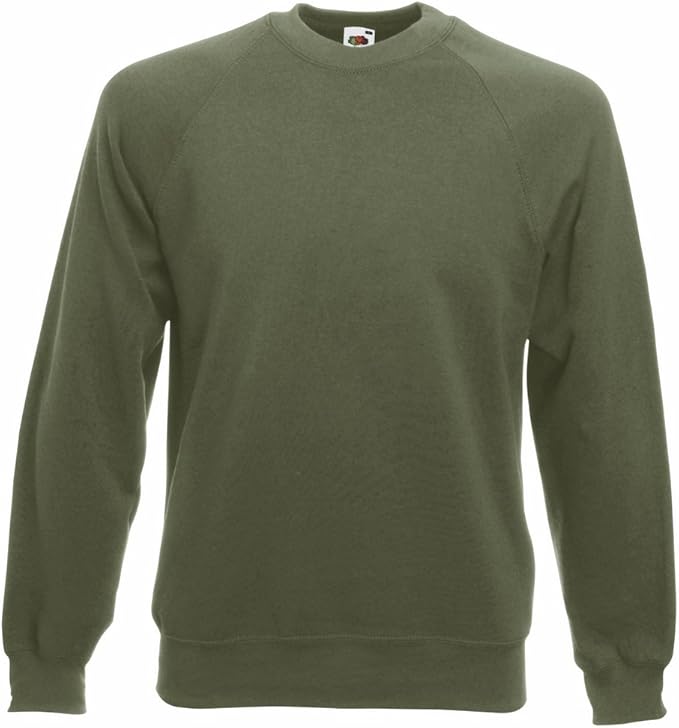
Soft mini waffle fabric thermal that wicks away moisture and retains heat for for foundational warmth, lightweight performance

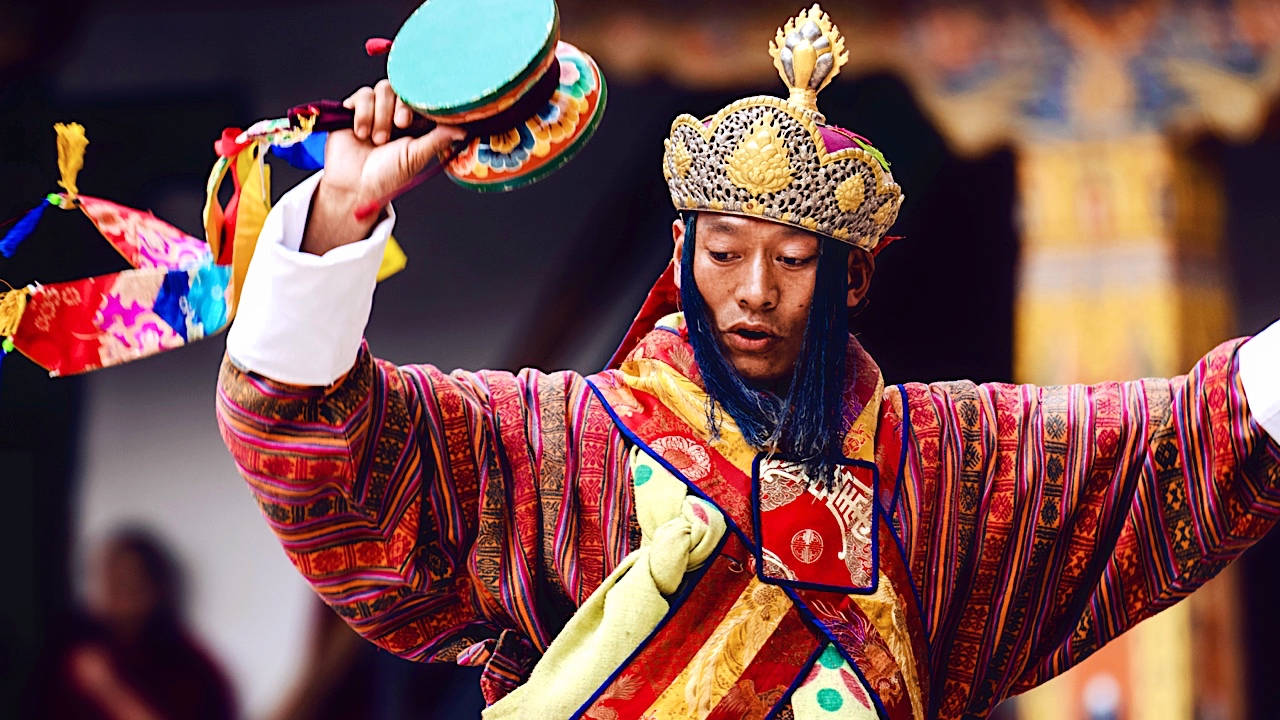
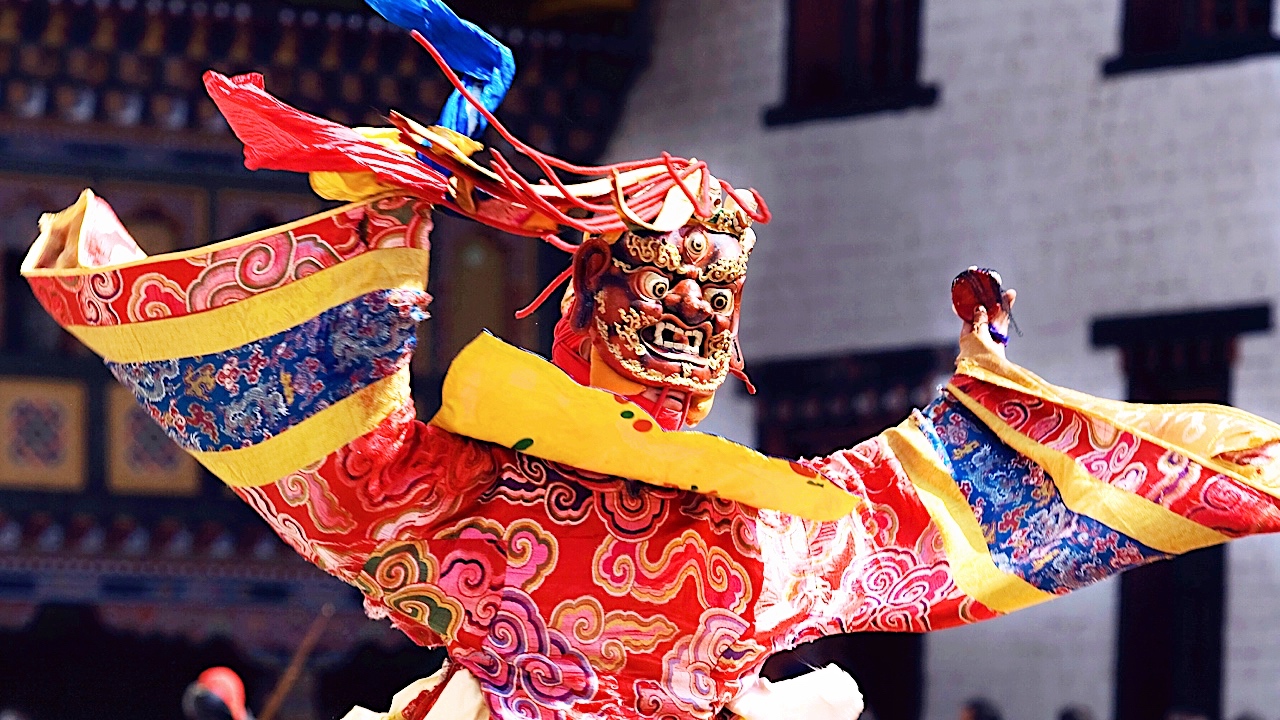
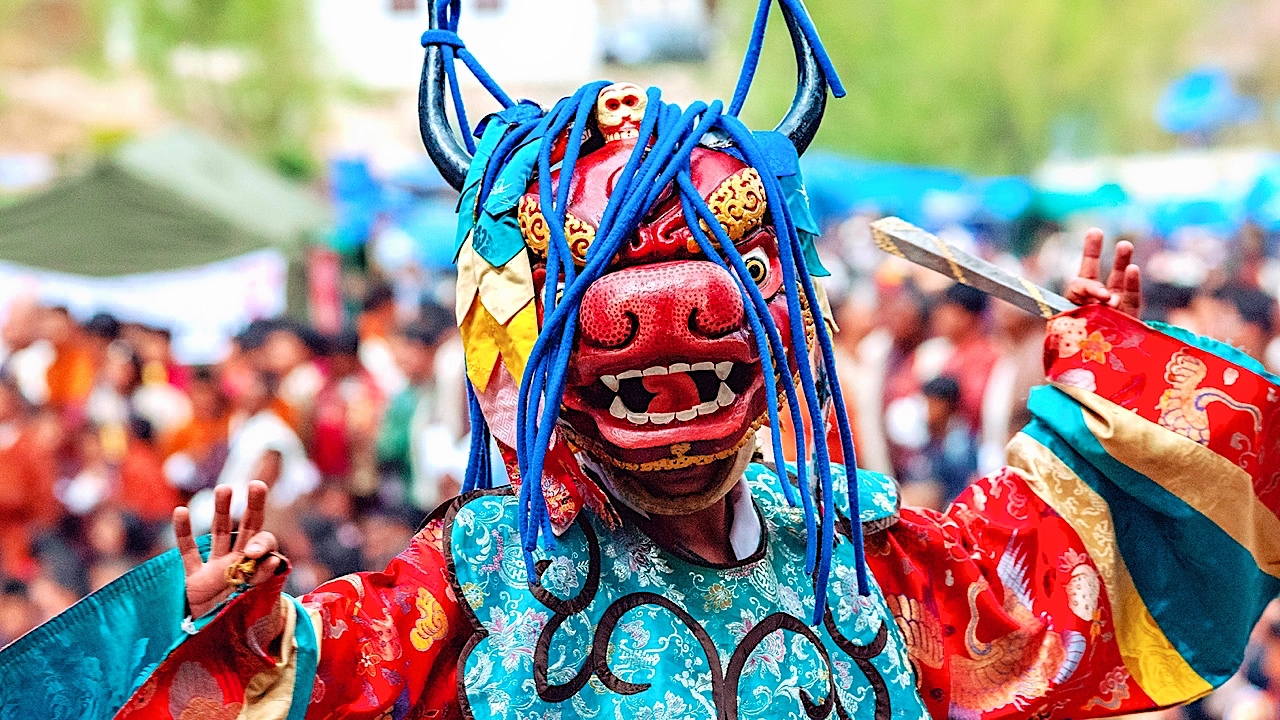
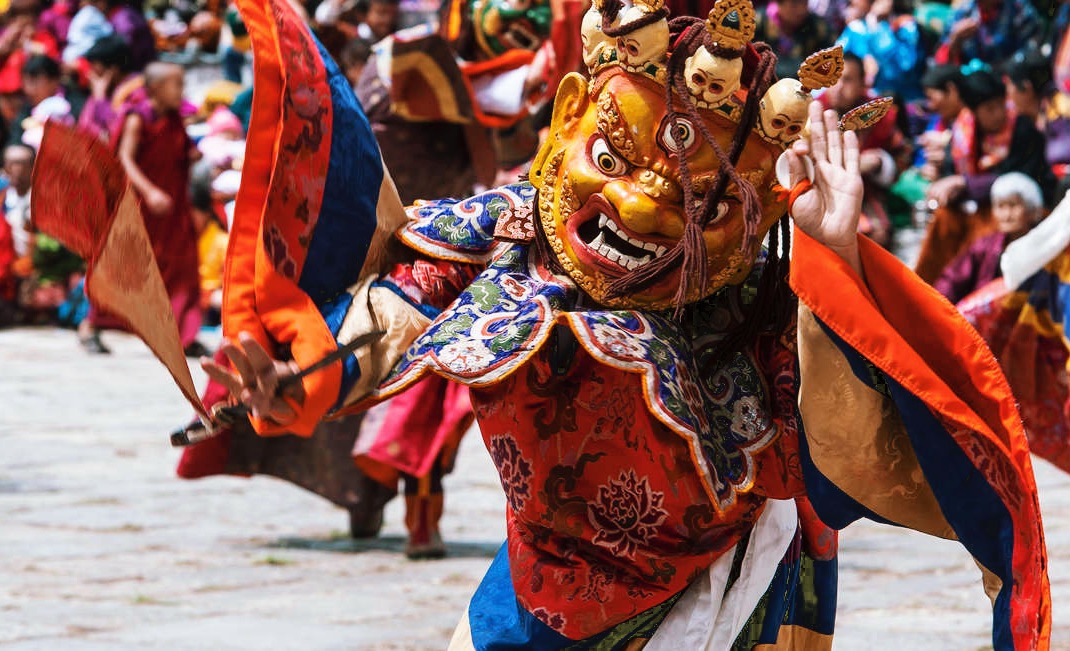
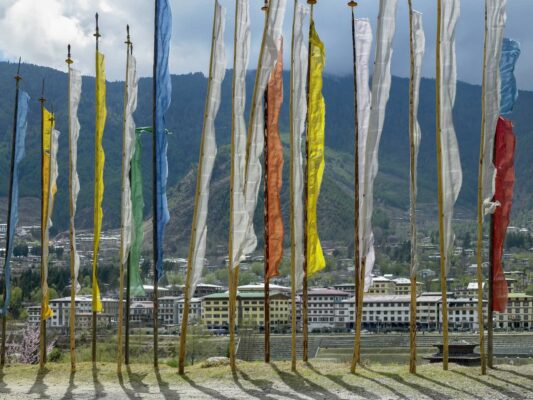
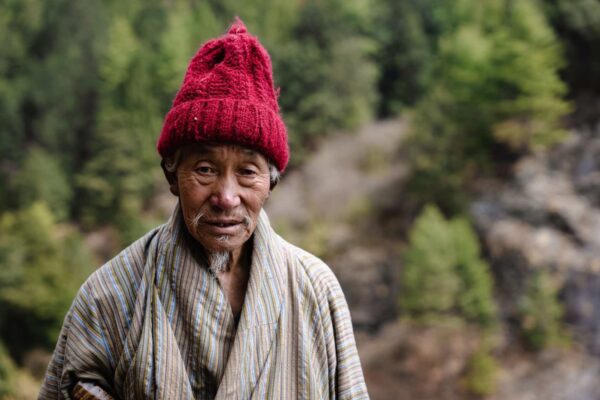
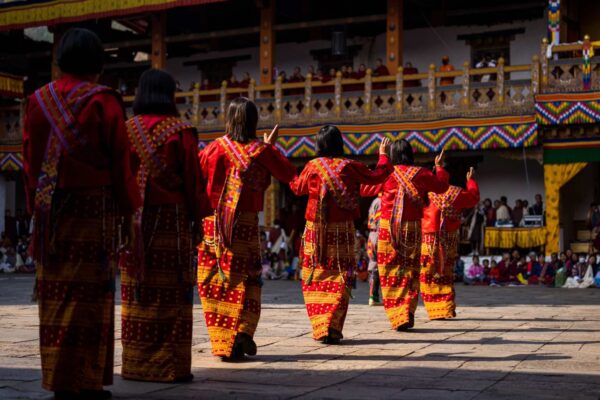
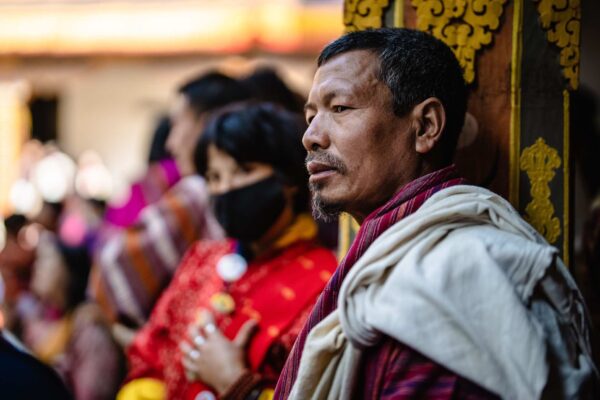
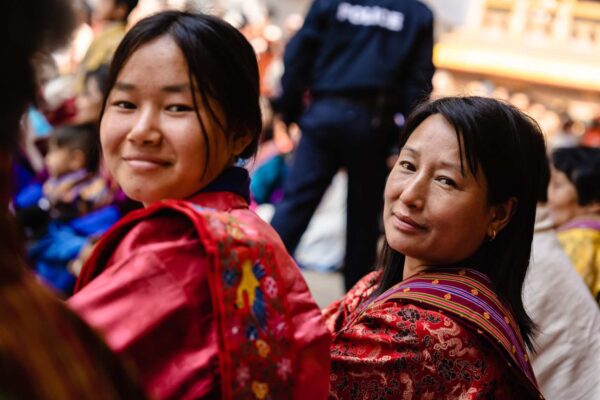
The Paro Festival, also known as Paro Tsechu, is one of Bhutan’s most vibrant and significant religious festivals. Held annually in the picturesque Paro Valley, this festival typically takes place in the spring, attracting both locals and international visitors. It’s also a time for socialising, dressing up, and sharing meals. Bhutanese families come in their finest silk ghos and kiras, the traditional dress adding to the vibrant to the colourful costumes.
Stalls selling local snacks, textiles, and religious items line the festival grounds. Try ema datshi (chilli and cheese stew) or sip on a warm suja (butter tea) as you take it all in.
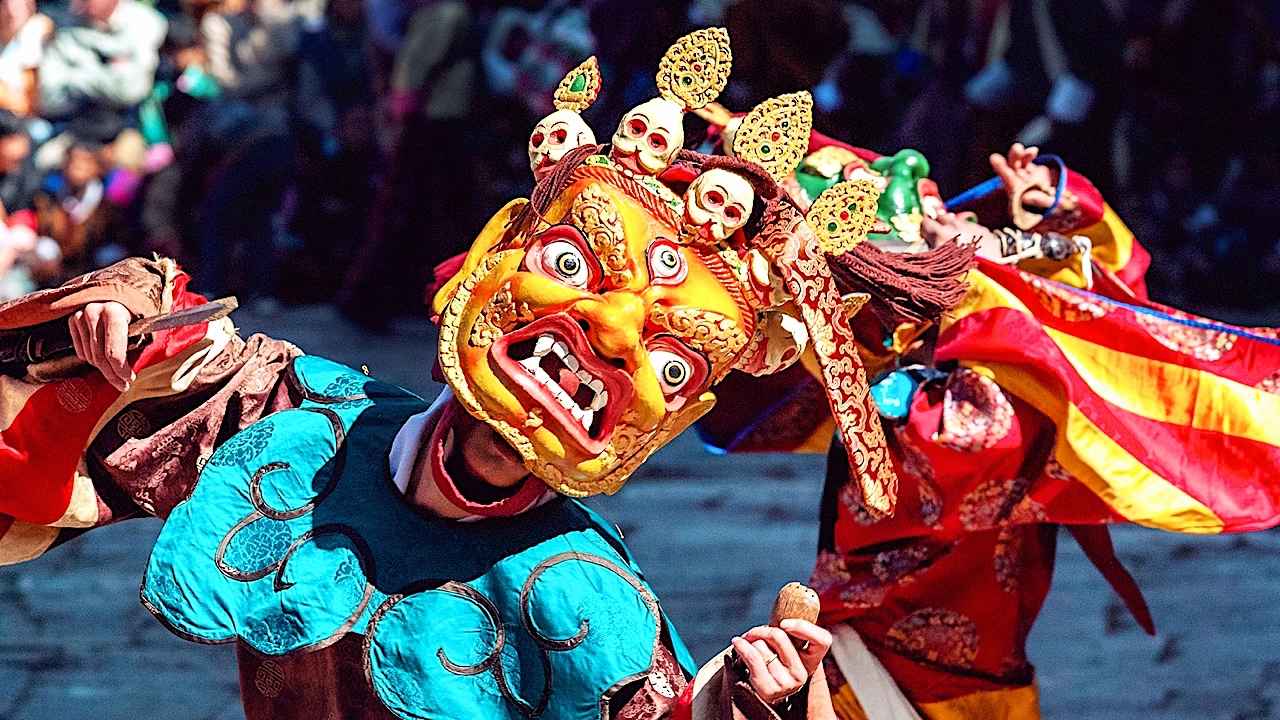
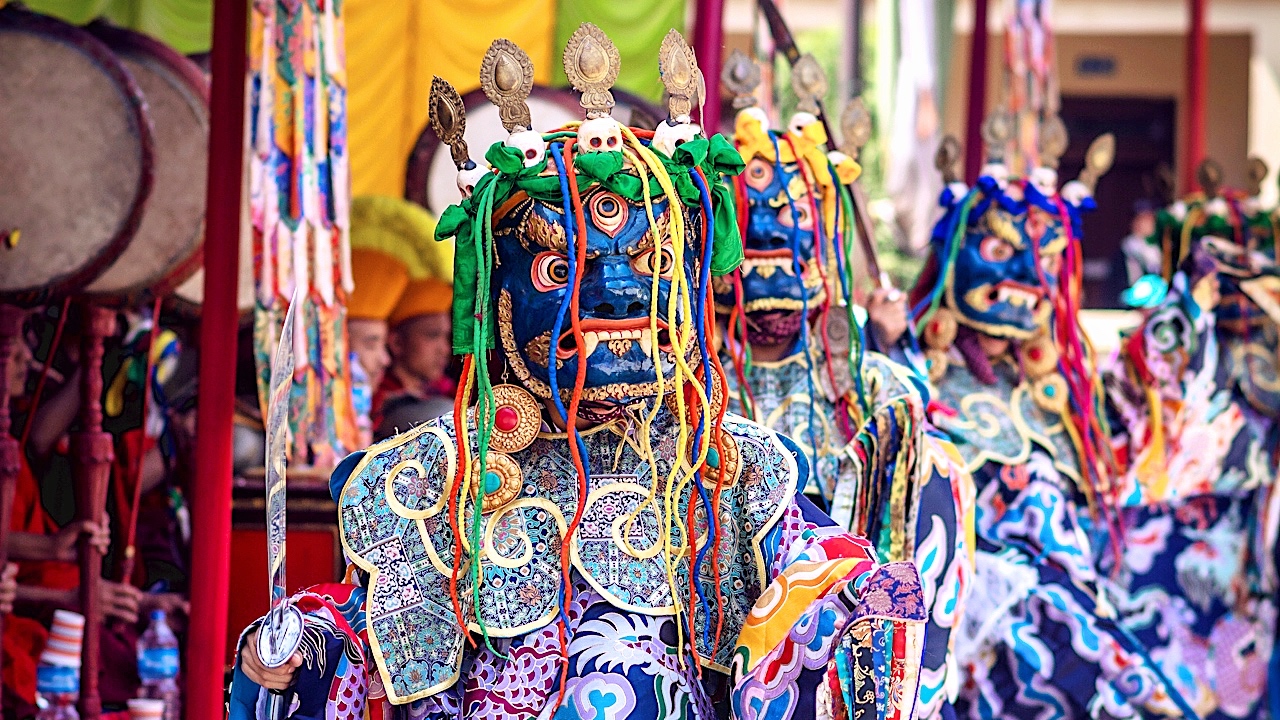
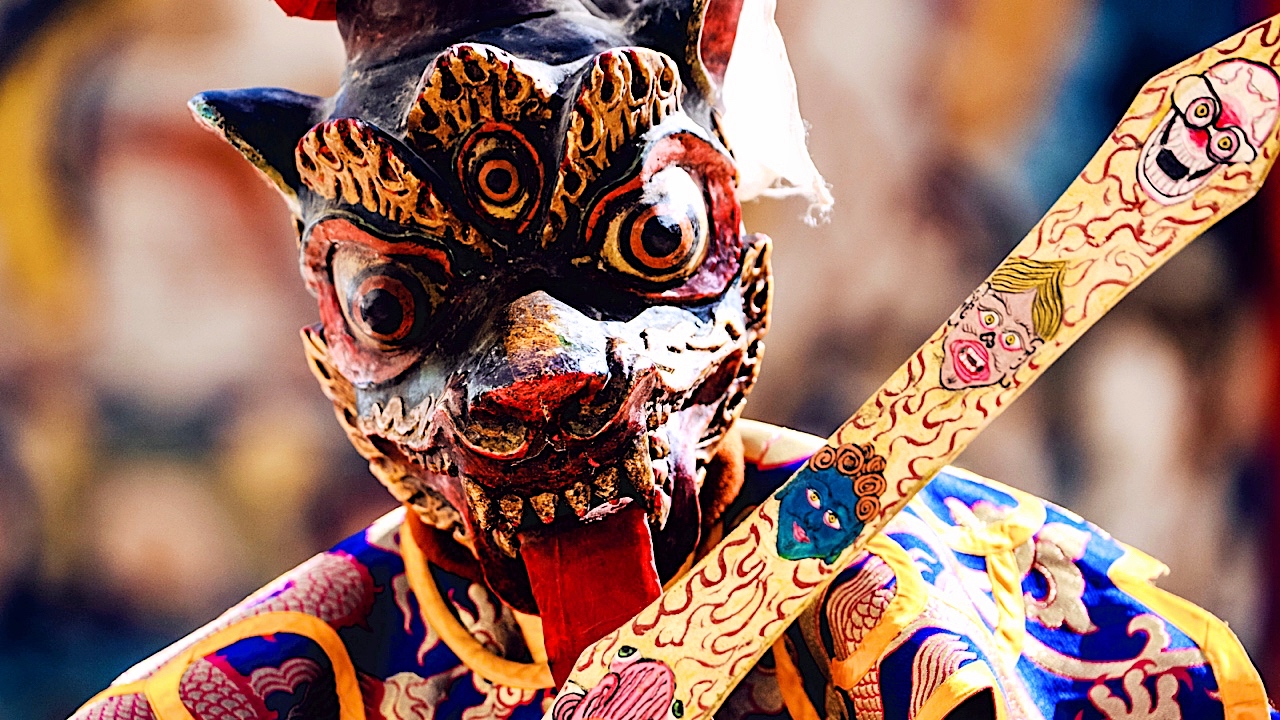
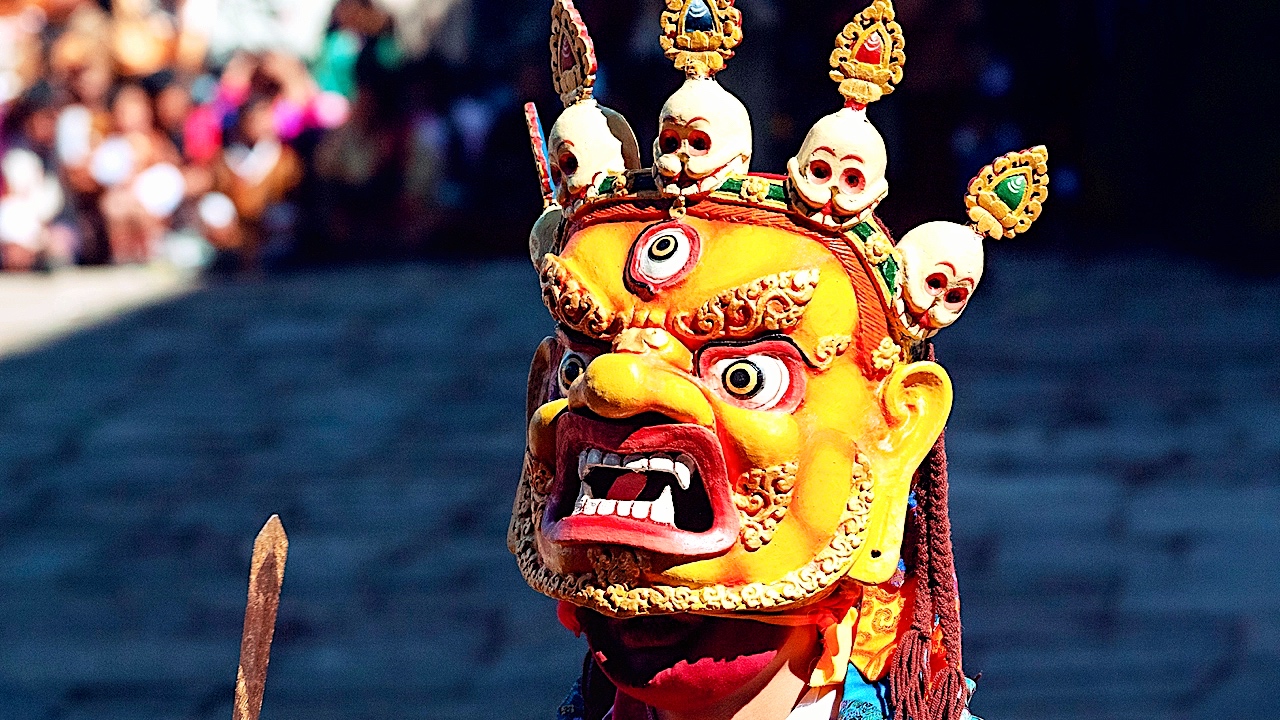
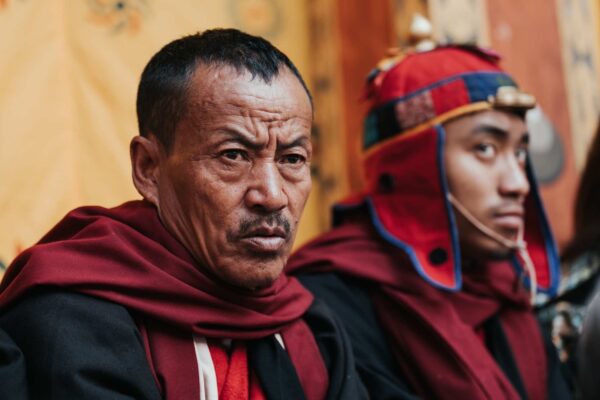
Each day of the Tshechu features a series of traditional Cham dances. Monks dressed in elaborate costumes and grotesque masks enact mythical tales and moral lessons passed down over centuries. The Dance of the Lords of the Cremation Grounds and Dance of the Terrifying Deities are filled with power, grace, and drama.
Climb to the Tiger's Nest

Travel Kits Handpicked Just For You!
Save time. Ask a personal shopper to go through your adventure essentials!
FREQUENTLY ASKED QUESTIONS
How challenging is the Tiger’s Nest hike?
The name translates as Tiger’s Nest and local legend recounts how Guru Rinpoche flew here on the back of a tiger and founded the monastery where he spent a few months deep in meditation.
The path mostly consists of stone steps that cut through oak and pine forests before emerging onto a ridge. The trail begins with a continuous ascent, some of it steep and switchbacked. The altitude (3,120 metres) may cause shortness of breath, especially if you’re not acclimatised.
The views of the Paro Valley are breathtaking but the cliff-hugging monastery with significant drops can become a challenge. Overall, the hike is moderately challenging and entirely doable for most people with a basic level of fitness.
What Is The Typical Weather Conditions During The Festival?
During the Paro Tshechu Festival, typically held in March or April, the weather in Paro is mild and pleasant, marking the start of spring in Bhutan. The skies would generally be clear or partly cloudy, offering beautiful blue skies ideal for photography and scenic views. March and early April are among the driest months of the year.
Temperature: Daytime: 15°C to 20°C (59°F to 68°F / Night-time: 0°C to 5°C (32°F to 41°F)
What to Wear During The Festival ?
Mornings and evenings can be brisk, so a warm jacket or fleece will keep you comfortable. Warm jacket or fleece for early mornings, especially if you’re attending the pre-dawn Thongdrol unveiling..
As the sun rises, temperatures become pleasantly mild, making it easy to shed layers throughout the day. Comfortable walking shoes are a must, as you’ll spend time exploring the festival grounds and nearby sites.
Don’t forget sunglasses, hat and sunscreen, the high-altitude sun can be deceptively strong. Dress thoughtfully, and you’ll enjoy the full experience in comfort and style.
Do I need a visa to visit Bhutan for the festival?
Yes, all international travellers—except citizens of India, Bangladesh, and the Maldives—must obtain a visa in advance to visit Bhutan. The visa is typically issued by the Tourism Council of Bhutan, and you’ll receive an e-visa clearance letter before your trip.
In addition to the visa, all travellers must pay a Sustainable Development Fee (SDF), which contributes to Bhutan’s environmental and cultural preservation efforts. As of recent regulations, the SDF is USD 100 per person per night (subject to change), and it’s usually included in the overall tour cost.
Blog

A Conscious Smile on the Road: Discovering Georganics for Mindful Travellers
Your Georganics toothbrush is carved from smooth beechwood, sourced from responsibly managed forests. It feels [...]
10
Mar
Mar
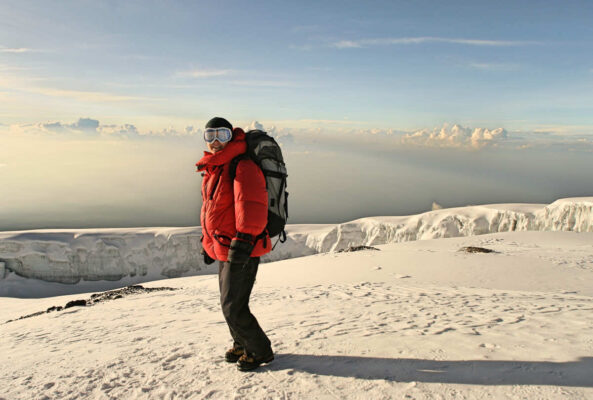
Climbing Kilimanjaro Gear Guide: The Essential Packing Strategy for High Altitude Success
Preparing for climbing Kilimanjaro requires determination but success depends on a well-planned gear strategy built [...]
15
Feb
Feb
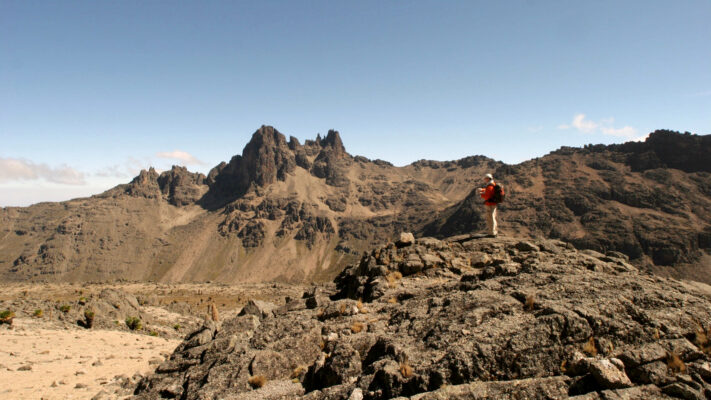
Why Mount Kenya Is the Perfect First High-Altitude Climb?
Climbing Mount Kenya is like a deeply personal journey through green and remote landscapes. Everything [...]
26
Jan
Jan
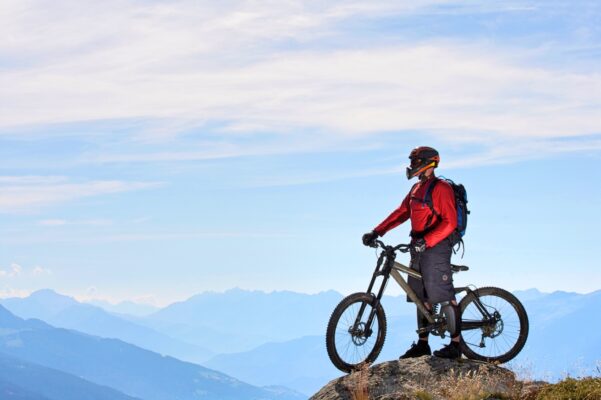
Top Adventure E-Bikes : From City Streets to Forest Trails.
Unleash your inner explorer with these rugged, high-performance e-bikes built for riders who live for [...]
12
Dec
Dec
Raise Your Hydration Game With The Beyond Shakers For Everyday Performance
Take your training seriously with these insulated bottle and Beyond Shakers built for athletes. There're [...]
08
Dec
Dec
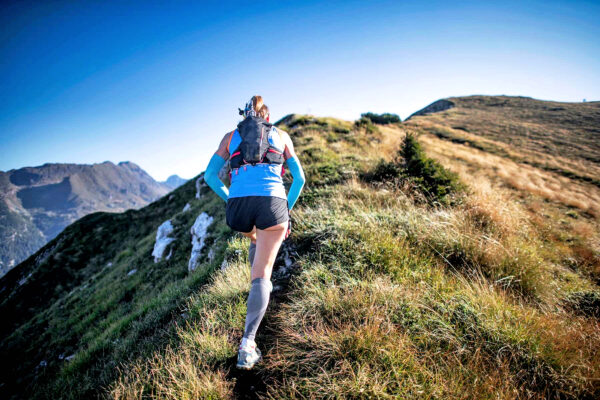
Best Trail Running Shoes: Salomon Speedcross Features
The Speedcross is crafted with a waterproof GORE-TEX® membrane to keep your feet dry in [...]
16
Nov
Nov
Be the first to review “Paro Festival of Bhutan”
You must be logged in to post a review.

Reviews
There are no reviews yet.